
Automotive Radiator Fan: A Critical Component for Vehicle Efficiency
Explore the significance of automotive radiator fans in vehicle performance, particularly in the context of Bihar's climate and automotive industry. Understand how this essential component enhances engine efficiency and longevity.

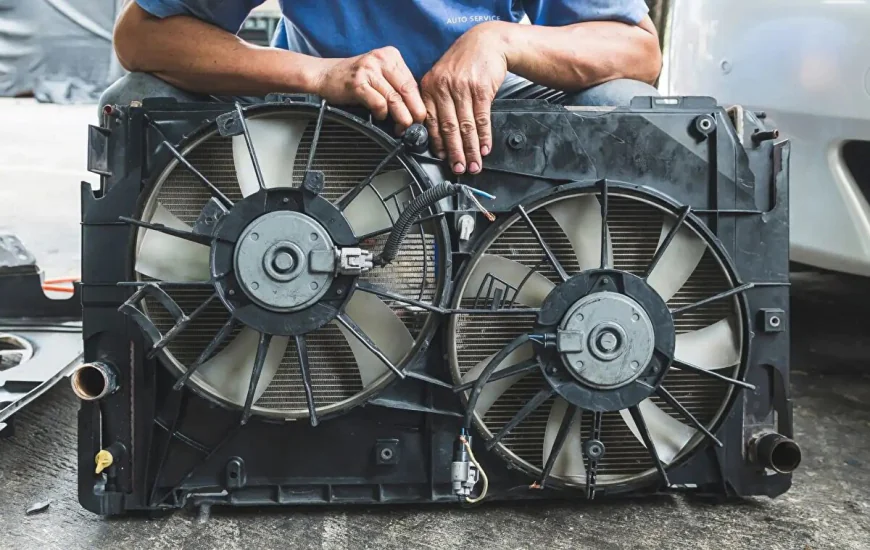
In the realm of automotive engineering, few components are as critical yet often overlooked as the radiator fan. This unassuming device plays a pivotal role in maintaining optimal engine temperatures, ensuring vehicles operate efficiently and reliably. In regions like Bihar, where temperatures can soar during summer months, understanding the functionality and importance of radiator fans becomes even more crucial. This post delves into the intricacies of automotive radiator fans, their significance in vehicle performance, and their relevance to the automotive landscape in Bihar.
What is an Automotive Radiator Fan?
An automotive radiator fan is an essential part of a vehicle’s cooling system. Its primary function is to draw air through the radiator to dissipate heat generated by the engine. When the engine runs, it produces heat, and if this heat is not managed properly, it can lead to overheating, resulting in severe engine damage. The radiator fan helps regulate the engine temperature by ensuring that the radiator remains cool enough to perform its function effectively.
Types of Radiator Fans
There are two main types of radiator fans used in vehicles:
-
Mechanical Fans:
- Driven by the engine via a belt.
- Operate at fixed speeds, depending on the engine's RPM.
- More common in older vehicles.
-
Electric Fans:
- Powered by the vehicle’s electrical system.
- Can operate independently of engine speed, providing better temperature control.
- More prevalent in modern vehicles due to their efficiency and versatility.
How Radiator Fans Work
The operation of a radiator fan is relatively straightforward. When the engine temperature rises, a thermostat detects the increase and sends a signal to the fan to activate. The fan then draws air through the radiator, which cools the coolant circulating through the engine. This process helps maintain a stable operating temperature, preventing overheating.
Importance of Radiator Fans
1. Engine Efficiency
Radiator fans are crucial for maintaining engine efficiency. An overheated engine can lead to decreased performance, increased fuel consumption, and potential engine failure. By keeping the engine cool, radiator fans help ensure that vehicles run smoothly and efficiently.
2. Longevity of Engine Components
Overheating can cause significant damage to engine components, leading to costly repairs. A functioning radiator fan helps extend the life of the engine and its components by preventing excessive heat buildup.
3. Environmental Impact
Efficiently running engines produce fewer emissions. By maintaining optimal temperatures, radiator fans contribute to lower fuel consumption and reduced environmental impact, aligning with global efforts to promote sustainability.
The Context of Bihar
Bihar, located in eastern India, experiences a diverse climate, with hot summers and cold winters. During the summer months, temperatures can exceed 40°C (104°F), placing immense stress on vehicle cooling systems. In such conditions, the role of the radiator fan becomes even more critical.
The Automotive Industry in Bihar
Bihar's automotive industry has been growing steadily, with an increase in vehicle ownership and usage. As more residents rely on personal and commercial vehicles, understanding the importance of components like the radiator fan becomes essential for vehicle maintenance.
Local Mechanic Insights
Local mechanics in Bihar often emphasize the need for regular checks on radiator fans, especially before the onset of summer. Many vehicle owners may overlook this aspect of maintenance, leading to overheating issues during peak temperatures. Mechanic workshops in cities like Patna are increasingly educating customers about the importance of maintaining radiator fans to avoid breakdowns.
Challenges Faced
Despite the growing automotive sector, many vehicle owners in Bihar face challenges related to maintenance and parts availability. Access to quality replacement parts for radiator fans can be limited, leading to the use of substandard components that may not perform effectively. This situation underscores the need for better supply chains and awareness regarding quality parts among vehicle owners.
Maintenance Tips for Radiator Fans
To ensure the longevity and efficiency of radiator fans, vehicle owners should consider the following maintenance tips:
-
Regular Inspections:
Check the fan for any signs of wear and tear, such as cracks or broken blades. -
Cooling System Maintenance:
Regularly flush and replace coolant to prevent corrosion and buildup in the cooling system. -
Electrical Checks:
For electric fans, ensure that the wiring and connections are secure and free from corrosion. -
Thermostat Functionality:
Regularly check the thermostat to ensure it is functioning correctly, as it plays a vital role in fan activation. -
Professional Servicing:
Schedule periodic servicing with a qualified mechanic to ensure all components of the cooling system, including the radiator fan, are in optimal condition.
The automotive radiator fan is a vital component that significantly impacts vehicle performance, especially in regions like Bihar where extreme temperatures are common. Understanding its function and importance can help vehicle owners maintain their cars effectively, ensuring safety and efficiency on the roads. As the automotive industry continues to grow in Bihar, raising awareness about the significance of radiator fans will be crucial in promoting better vehicle maintenance practices. By prioritizing the health of this essential component, vehicle owners can enhance their driving experience and contribute to a more sustainable automotive future.
What's Your Reaction?
 Like
2
Like
2
 Dislike
0
Dislike
0
 Love
0
Love
0
 Funny
0
Funny
0
 Angry
0
Angry
0
 Sad
0
Sad
0
 Wow
0
Wow
0